The Complete Guide to Site Selection for Businesses
Introduction Plenty of businesses open in the wrong location and spend years trying to compensate for it. Extra marketing spend, discounted pricing, and extended hours,


Introduction Plenty of businesses open in the wrong location and spend years trying to compensate for it. Extra marketing spend, discounted pricing, and extended hours,
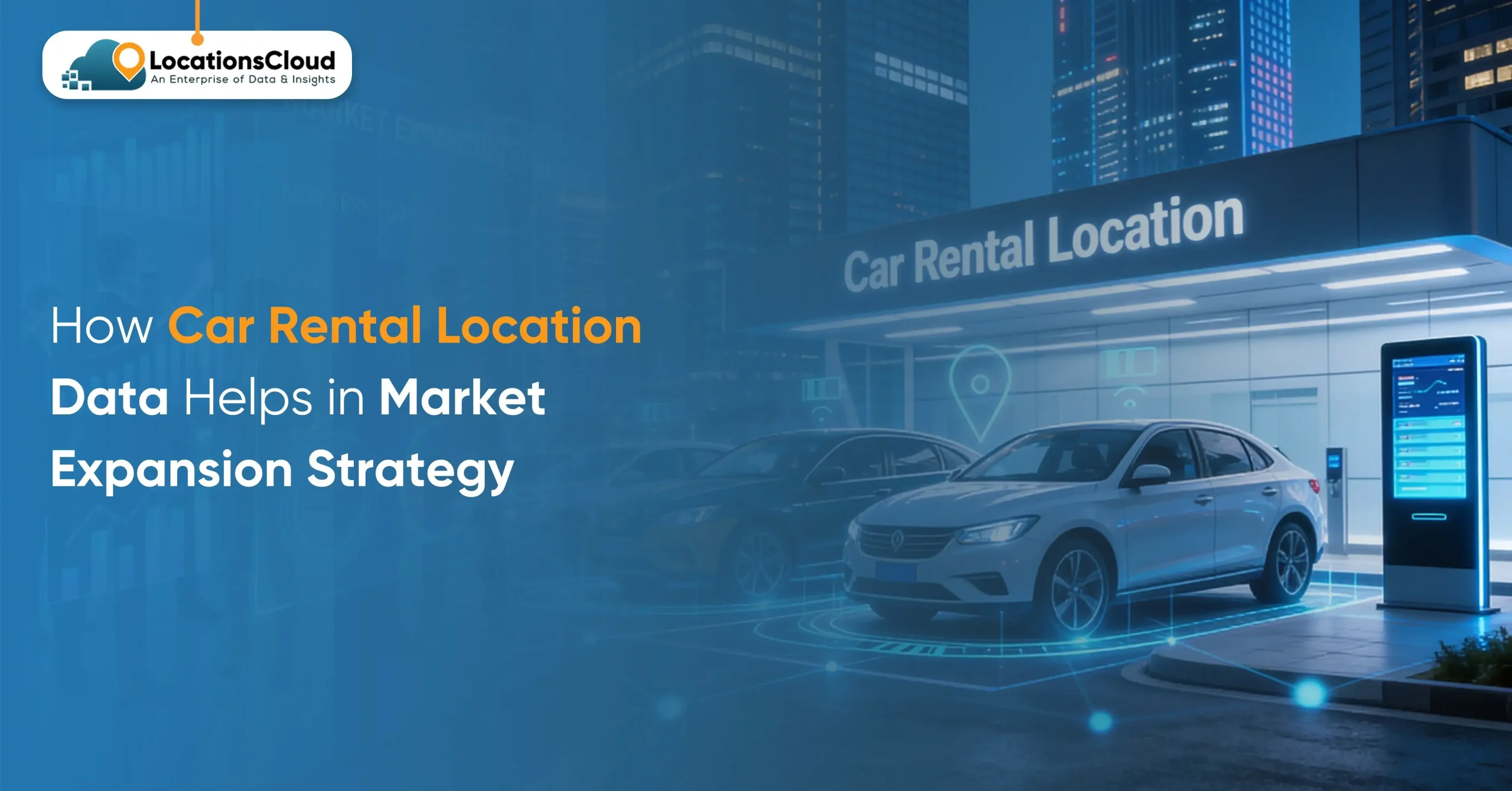
Location data helps expand the car rental business by showing where real demand exists, what customers need, and when they need it. Thus, allowing you
There is an excess of data being handled in business today, and people really require better technology to be able to make sense of it

Due to the growth of digital ecosystems, online marketplaces, and fintech companies are recording an unprecedented rate of business onboarding. Although this expansion opens up
Why Do Businesses Buy Location Data? Geographic context drives more business decisions than most teams realize. A retailer choosing between two sites in the same
Introduction Location data and GoSpatial data are different from each other. However, they are often used interchangeably because they both describe where places, businesses, and
If you work in analytics, operations, real estate, or retail planning, you are already using geographic data whether you call it that or not. Every
Introduction POI (Point of Interest) is a digital footprint generator for modern business. It is a foundation for geospatial analytics that provides them with spatial
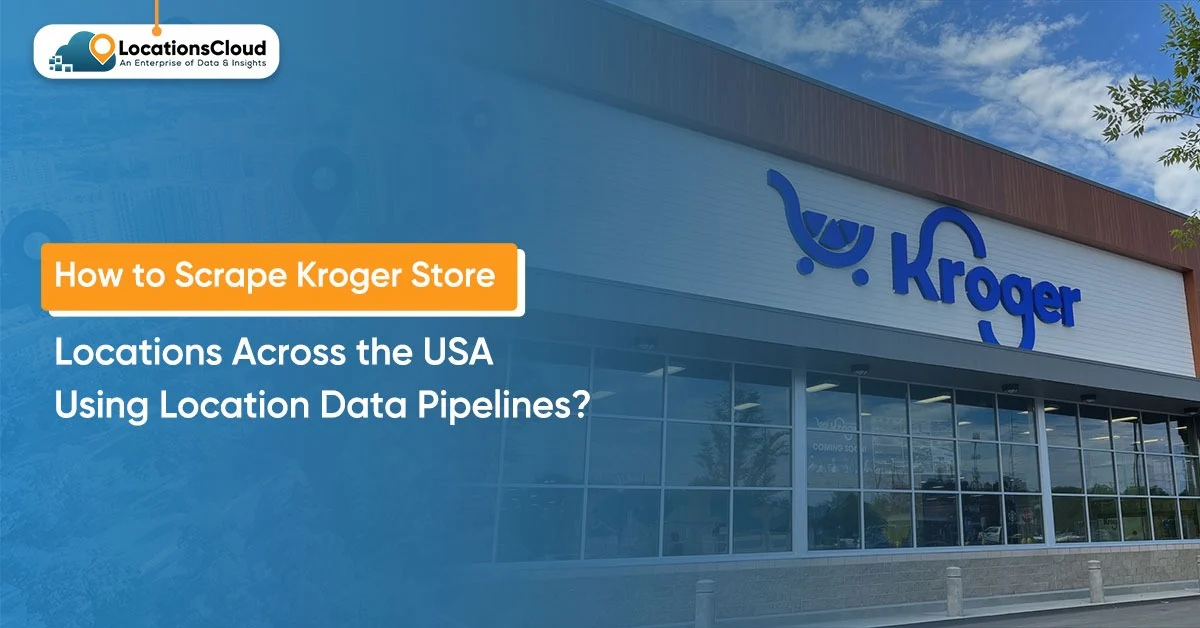
Kroger operates over 2,700 stores across 35 states. It is one of the largest grocery retailers in the United States. For logistics companies, real estate
Travelers and casual eaters equally rely on TripAdvisor for hotel and restaurant reviews. They’ve also worked with firms like OpenTable, DoorDash, Grubhub, and Deliveroo to
Benefits of geolocation have been apparent in retail business for a long time, helping shops analyze markets and build their physical stores. Even before the
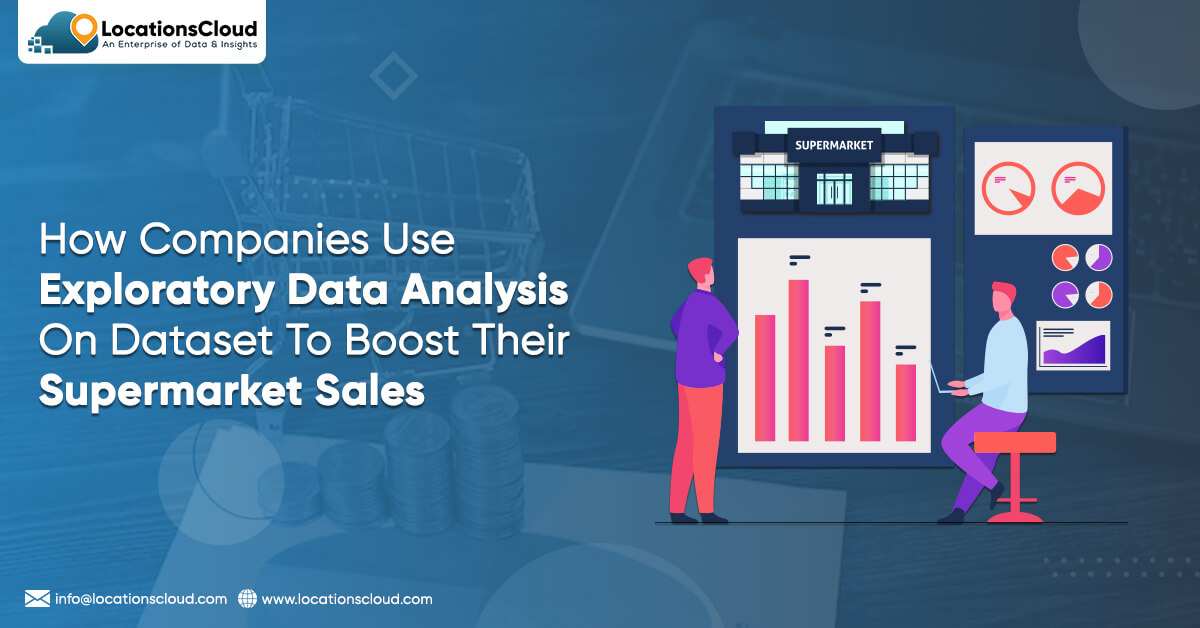
In today’s data-driven world, businesses are always looking for valuable insights that can help them reach new levels of success. In this digital age, where
How will you decide if a site is at a good location for a new store or not? Even if it is a good site
Retailers are aware of the significance of digital marketing for their companies. Retailers should consider a location-based marketing strategy by utilizing geographical data. Here in
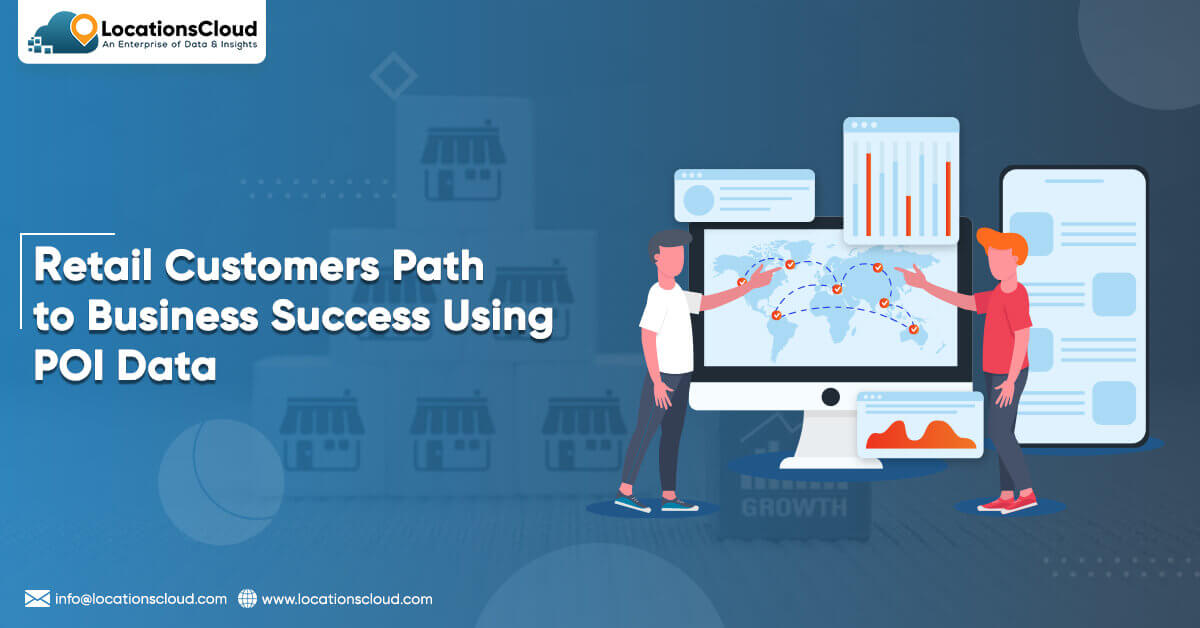
Retailers now rely heavily on point of interest (POI) data. It gives them information about how customers act, and they know who they are and
The location of a store can have a significant effect on how well it does. A good site can bring in more customers, make more
Data is critical in the world we live in today, and data is called “the oil of the 21st century” by experts. The economy of

An Introduction to Super Market Data Since immemorial, supermarkets and grocery stores have been part and parcel of human lives. However, what makes 21st-century supermarkets
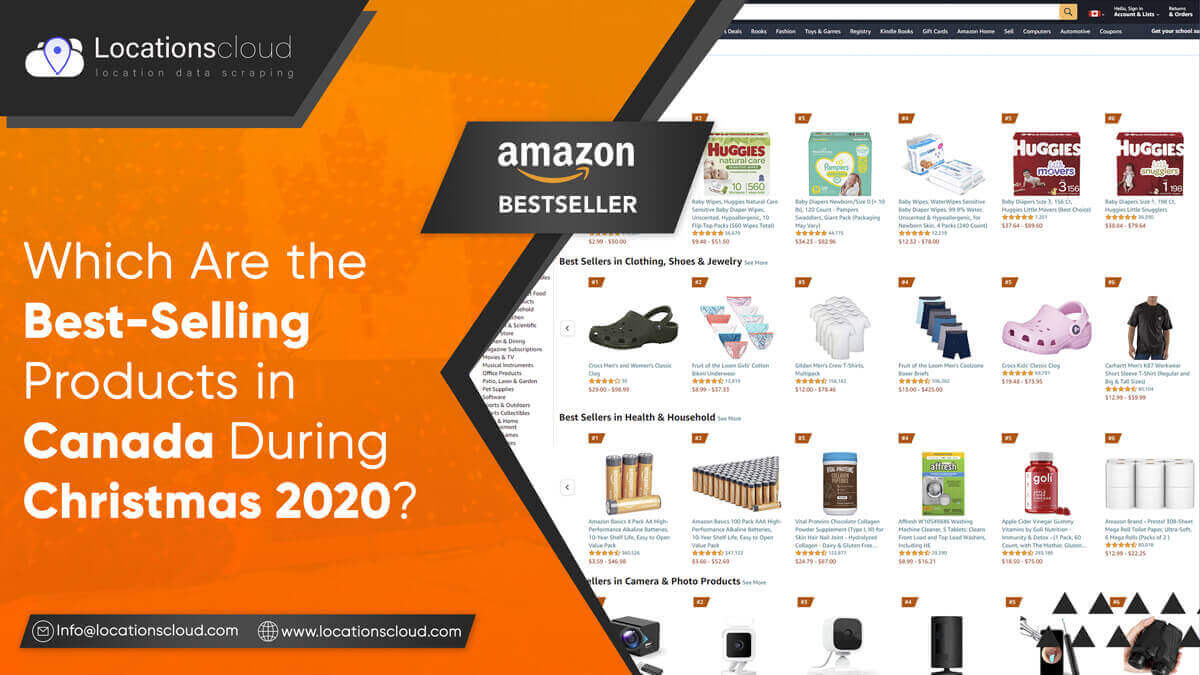
Following up on our analyses of Amazon’s best-selling products in the United States and Amazon’s best-selling products in Europe over the holidays, we now look
Location data helps expand the car rental business by showing where real demand exists, what customers need, and when they need it. Thus, allowing you
Why Do Businesses Buy Location Data? Geographic context drives more business decisions than most teams realize. A retailer choosing between two sites in the same
Introduction Location data and GoSpatial data are different from each other. However, they are often used interchangeably because they both describe where places, businesses, and
If you work in analytics, operations, real estate, or retail planning, you are already using geographic data whether you call it that or not. Every
Introduction POI (Point of Interest) is a digital footprint generator for modern business. It is a foundation for geospatial analytics that provides them with spatial
Kroger operates over 2,700 stores across 35 states. It is one of the largest grocery retailers in the United States. For logistics companies, real estate
The U.S. fitness industry pulls in over $35 billion annually, yet a significant portion of new gym locations fail within the first three years. That
Every smart business decision today has a location attached to it. Whether you’re expanding a retail chain, planning infrastructure, or optimizing a supply network, types

Web scraping is legal but only when you do it responsibly. Pulling publicly available data from websites won’t land you in legal trouble on its
Location data helps expand the car rental business by showing where real demand exists, what customers need, and when they need it. Thus, allowing you
There is an excess of data being handled in business today, and people really require better technology to be able to make sense of it
Due to the growth of digital ecosystems, online marketplaces, and fintech companies are recording an unprecedented rate of business onboarding. Although this expansion opens up
Why Do Businesses Buy Location Data? Geographic context drives more business decisions than most teams realize. A retailer choosing between two sites in the same
Introduction Location data and GoSpatial data are different from each other. However, they are often used interchangeably because they both describe where places, businesses, and
If you work in analytics, operations, real estate, or retail planning, you are already using geographic data whether you call it that or not. Every
Introduction POI (Point of Interest) is a digital footprint generator for modern business. It is a foundation for geospatial analytics that provides them with spatial
Kroger operates over 2,700 stores across 35 states. It is one of the largest grocery retailers in the United States. For logistics companies, real estate
Walk into an Adidas flagship on Oxford Street and walk into a Nike store two blocks away. Same city, same consumer base, completely different spatial
Introduction Location data and GoSpatial data are different from each other. However, they are often used interchangeably because they both describe where places, businesses, and
If you work in analytics, operations, real estate, or retail planning, you are already using geographic data whether you call it that or not. Every
Introduction POI (Point of Interest) is a digital footprint generator for modern business. It is a foundation for geospatial analytics that provides them with spatial
Kroger operates over 2,700 stores across 35 states. It is one of the largest grocery retailers in the United States. For logistics companies, real estate
Walk into an Adidas flagship on Oxford Street and walk into a Nike store two blocks away. Same city, same consumer base, completely different spatial
The U.S. fitness industry pulls in over $35 billion annually, yet a significant portion of new gym locations fail within the first three years. That
Every smart business decision today has a location attached to it. Whether you’re expanding a retail chain, planning infrastructure, or optimizing a supply network, types
Web scraping is legal but only when you do it responsibly. Pulling publicly available data from websites won’t land you in legal trouble on its
Introduction Luxury automotive retail has changed. Today, Mercedes vs BMW dealership expansion is no longer just about counting showrooms. It is about choosing the right
Walk into an Adidas flagship on Oxford Street and walk into a Nike store two blocks away. Same city, same consumer base, completely different spatial
Every smart business decision today has a location attached to it. Whether you’re expanding a retail chain, planning infrastructure, or optimizing a supply network, types
Introduction Luxury automotive retail has changed. Today, Mercedes vs BMW dealership expansion is no longer just about counting showrooms. It is about choosing the right
Every retail or franchise brand knows the pain of a bad location decision. You invest capital, sign a lease, build out the space and then
Introduction POI (Point of Interest) is a digital footprint generator for modern business. It is a foundation for geospatial analytics that provides them with spatial
Point of Interest (POI) data APIs are indispensable tools for modern location-based applications, providing programmatic access to comprehensive databases of real-world places. These APIs allow
Introduction The accuracy of the data collected/data underpins all forms of analytics, artificial intelligence (AI), and strategic management decisions across industries. Collecting data inaccurately can
Introduction Restaurant expansion decisions carry massive financial stakes. A single wrong location can drain hundreds of thousands in lease commitments, build-out costs, and operating losses
Introduction POI (Point of Interest) data is information about specific locations of interest to a company or a customer. Examples of POI data include retail
There is an excess of data being handled in business today, and people really require better technology to be able to make sense of it
Due to the growth of digital ecosystems, online marketplaces, and fintech companies are recording an unprecedented rate of business onboarding. Although this expansion opens up
Why Do Businesses Buy Location Data? Geographic context drives more business decisions than most teams realize. A retailer choosing between two sites in the same
Introduction Location data and GoSpatial data are different from each other. However, they are often used interchangeably because they both describe where places, businesses, and
If you work in analytics, operations, real estate, or retail planning, you are already using geographic data whether you call it that or not. Every
Introduction POI (Point of Interest) is a digital footprint generator for modern business. It is a foundation for geospatial analytics that provides them with spatial
Kroger operates over 2,700 stores across 35 states. It is one of the largest grocery retailers in the United States. For logistics companies, real estate
Walk into an Adidas flagship on Oxford Street and walk into a Nike store two blocks away. Same city, same consumer base, completely different spatial
The U.S. fitness industry pulls in over $35 billion annually, yet a significant portion of new gym locations fail within the first three years. That